
Active Matter Gameplay: What a Raid Actually Looks Like
How an Active Matter raid runs from loadout to extraction, plus the anomalies, AI threats and gear-loss rules that shape every decision you make.

What a raid looks like
In one line: take gear in, and get active matter and loot out before the zone collapses.
You play an operative stuck in a time loop, dragged back from death to the same point over and over. The only way out is running quantum-unstable zones again and again to harvest resources and upgrade your kit. What forces a decision every thirty seconds is the other rule: die in a raid and you lose every weapon and piece of gear that was not in a safe container or marked as personal.
Going in, looting, fighting, extracting — all of it is a negotiation with that rule.
Before you drop: what you carry is what you can lose
Your base is called the Shelter, and it sits outside ordinary reality. Weapons, armour plates, meds, ammo, backpacks, safe containers — you pick all of it. Players call this combination a loadout.
The safe container is the part that keeps you solvent. What goes in comes back with you; what sits in a normal backpack dies with you. Armour plates decide how many rounds you survive. Pack too little ammo or too few meds and you will be running mid-fight.
Worth building this habit early: on your first run into a new map, bring cheap gear. Map knowledge is the only asset in this game that keeps its value, and you can only buy it with risk.
Your first move is not opening a crate
The most common beginner death looks like this: you loot on the way in, notice too late that time is running out, sprint for extraction, and die on the way.
Flip the order. Find the extraction point first and check what it requires, then work backwards so your route naturally ends there. Only pick up what you can carry out — overweight loot is loot you never had.
Zone collapse is on a timer. When it ends, the whole area and everything still inside vanishes, you included. “Just one more crate” always costs something real.
Three threats share the same map
| Threat | What it looks like | Rough response |
|---|---|---|
| Other operatives | Real players from other timelines. The official line: “other players would always be your most dangerous enemy” | Sound is a hint at best — footstep direction is unreliable, so confirm with your eyes and don’t linger in the open |
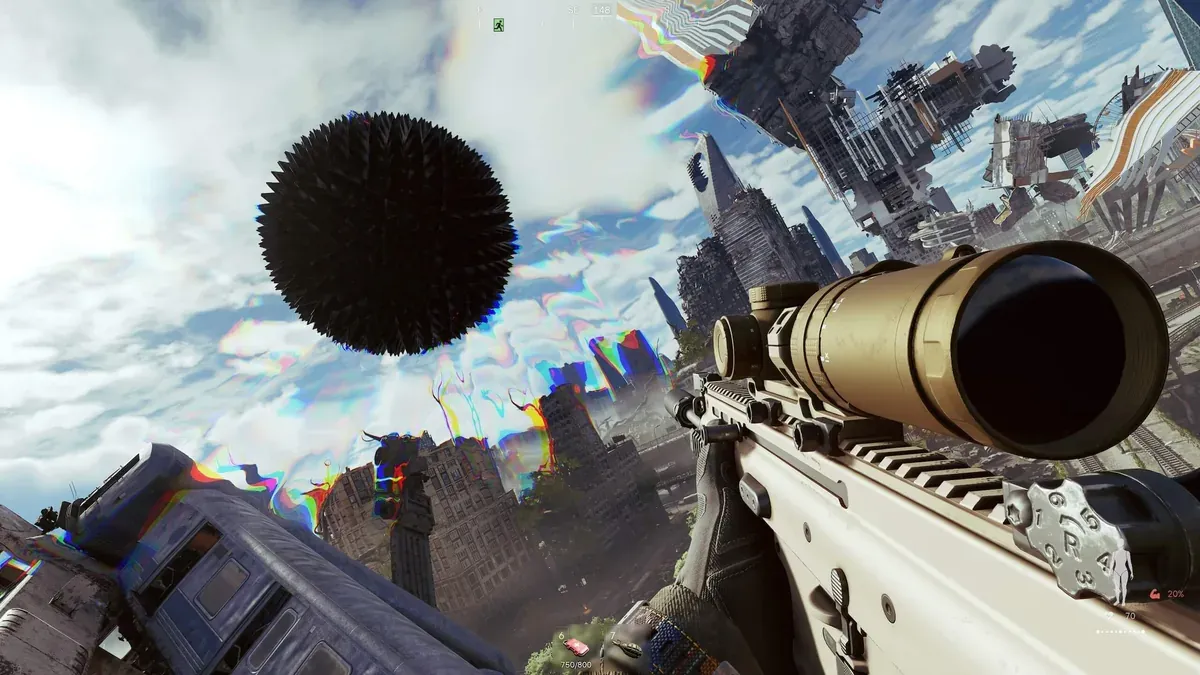
| Anomalies and SCP-style objects | Gravity rewrites itself and you can run along walls and ceilings; some objects have trigger rules | Treat the map as mutable geometry, not something to memorise by muscle |
| Active-matter creatures | They attack on sight and usually arrive in groups | Avoid when you can; if you must fight, check your exit first |
One more useful detail: there are three ways to get active matter — kill transformed creatures, take it off other players, or harvest it directly from active matter clusters. That means you don’t have to fight people every raid. If you want a stable run, farm clusters.
When to walk away from loot
Extraction is the only step that turns risk into profit, and it is the tensest part of the loop.
A few calls that hold up in practice:
- Less than a third of the timer left and you are deep inside? Head for extraction and stop opening crates.
- Sustained gunfire nearby? Reroute. Don’t go “take a look”.
- Bag already full of junk? Extract now and save the space for a real target next run.
Don’t queue straight back in after you extract. Refine materials, replicate what you want with the Replicator, upgrade your gear. The run only ends once the loot turns into a stronger kit for the next one.
Common questions
Can I just keep a good gun I found?
Yes, but be clear about the trade: carrying it next raid means accepting it can be lost. The safer play is replicating it at your base instead of hauling your only copy around.
Are anomalies random punishment?
No. The official description is that they change gravity and space topology, which makes them a terrain modifier rather than a dice roll. Learn them as part of the map.
How many real players are in a raid?
Gaijin hasn’t published a cap. Player reports range from under ten to the mid-teens, and low-population windows get filled with AI — which noticeably drains the tension of hearing footsteps.
Keep reading
New to the game? Start with the beginner guide. Not sure which mode to queue? See the game mode comparison. Want to understand resets and long-term rewards? Read progression.